Safety Protocols for Shipping Modular Homes by Sea
March 30, 2026
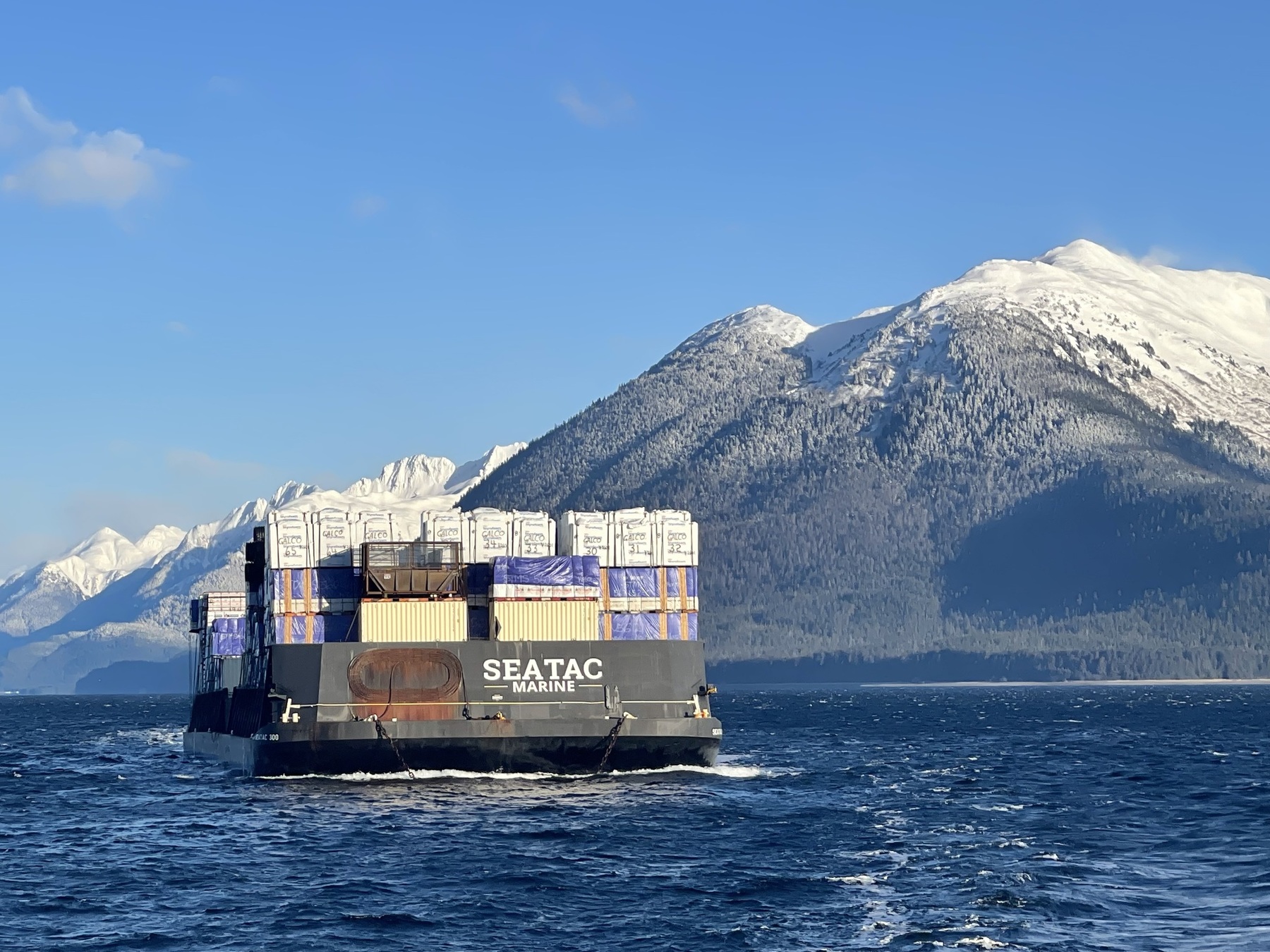
Transporting modular homes across open water requires a highly coordinated approach to safety, precision, and logistics. Whether you’re shipping from Seattle to Alaska or managing regional coastal deliveries, ensuring the structural integrity of modular units during transit is critical. From proper securement to experienced crews, every step plays a role in successful shipping freight to Alaska.
Below, we break down the essential safety protocols that define reliable marine terminal and barge operations for modular home transport.
1. Securement: Stabilizing Modular Homes for Ocean Transport
The first and most critical step in transporting modular homes is proper cargo securement. Unlike standard freight, modular homes are large, often irregularly shaped, and highly sensitive to shifting forces.
Key Securement Practices:
- Custom Cradle Systems: Modular units are placed on engineered cradles designed to distribute weight evenly.
- Heavy-Duty Lashings: Steel chains, tensioned straps, and anchor points are used to prevent movement during transit.
- Blocking and Bracing: Timber or steel bracing is installed to eliminate lateral shifting.
- Deck Reinforcement: Marine terminal teams ensure barge decks can handle the concentrated load.
For freight shipping container to Alaska and modular units alike, improper securement can lead to costly damage or delays. Professional marine terminals such as SeaTac Marine can ensure each unit is locked into place before departure.
2. Weather Planning: Navigating the Pacific Northwest and Alaskan Waters
Weather conditions between Washington and Alaska are among the most challenging in North America. High winds, rough seas, and rapidly changing forecasts require proactive planning.
Weather Safety Protocols:
- Advanced Forecast Monitoring: Tug crews track marine weather systems days in advance using NOAA and satellite data.
- Flexible Scheduling: Departure times are adjusted to avoid storms and heavy swells.
- Route Optimization: Safer inland passages, such as the Inside Passage, are often used to minimize exposure.
- Real-Time Adjustments: Crews maintain communication with dispatch for mid-route changes.
For companies offering barge services from Washington to Alaska, planning for the weather is not optional—it’s a core operational requirement that ensures cargo arrives safe and intact.
3. Equipment Use: Specialized Tools for Heavy and Oversized Cargo
Handling modular homes requires more than standard port equipment. Specialized machinery and tools are essential for both loading and unloading operations.
Essential Equipment Includes:
- Heavy-Lift Cranes: Capable of safely lifting large modular sections without structural stress.
- Hydraulic Trailers: Used to transport modules from staging areas to barges.
- Roll-On/Roll-Off (RoRo) Systems: Allow wheeled modules to be driven directly onto vessels when applicable.
- Load Monitoring Sensors: Ensure weight distribution remains within safe limits.
4. Crew Experience: The Human Factor in Marine Safety
Even with the best equipment and planning, the experience of the crew ultimately determines the success of a shipment. Skilled operators understand the nuances of handling modular homes in marine environments.
Why Crew Expertise Matters:
- Precision Handling: Experienced crane operators reduce the risk of structural damage during lifts.
- Safety Compliance: Crews follow strict OSHA and maritime regulations.
- Problem Solving: Veteran teams can adapt quickly to unexpected challenges at sea.
- Efficient Turnaround: Skilled coordination minimizes loading and unloading times.
When you ship freight to Alaska, partnering with a provider like SeaTac Marine that prioritizes crew training and experience ensures a safer, more reliable operation.
5. Integrated Marine Terminal Services
A seamless shipping process begins and ends at the terminal. Full-service marine terminals in Seattle provide staging, inspection, and coordination for modular home shipments.
Terminal Capabilities:
- Secure storage before departure
- Pre-shipment inspections
- Coordination with barge schedules
- Documentation and compliance handling
For businesses, choosing a provider with comprehensive marine terminal services simplifies the entire process of shipping from Washington to Alaska.
Shipping modular homes by sea is a complex operation that demands attention to detail at every stage. From securement and weather planning to equipment and crew expertise, each element contributes to a safe and successful delivery.
For those seeking dependable Seattle to Alaska shipping services, working with an experienced marine logistics provider like SeaTac Marine ensures your modular home arrives securely, efficiently, and on schedule. Contact ustoday to learn more.